Health and Safety Policy for an Islington Cleaner
 Health and safety is central to every professional cleaning service. This policy explains how an Islington cleaner can maintain safe working conditions, protect people, and reduce avoidable risks while delivering consistent results. It applies to all cleaning tasks, whether carried out in homes, offices, or shared premises, and it supports a calm, organised, and responsible approach to work.
The aim is to create a safe environment for cleaners, clients, visitors, and anyone else who may be affected by cleaning activities. A well-structured health and safety policy helps prevent accidents, supports proper hygiene, and ensures that the cleaning process is completed with care. Every cleaner should understand their responsibilities and follow sensible precautions at all times.
Any professional cleaner in Islington should begin by identifying hazards before starting work. Slips, trips, manual handling, cleaning chemicals, electrical equipment, and poor ventilation are among the most common risks. By assessing each environment in advance, the cleaner can choose the right method, use suitable tools, and minimise disruption while protecting both themselves and others.
Safe working practices must be followed consistently. Floors should be kept clear where possible, warning signs used when surfaces are wet, and equipment stored securely when not in use. A reliable cleaning health and safety policy also includes careful handling of ladders, extension tools, and heavy items. If a task feels unsafe, it should be paused until the risk is reduced.
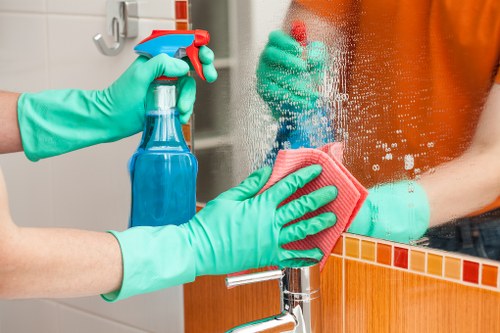
Cleaning products should always be used according to instructions, with attention to dilution, storage, and compatibility. Mixing chemicals can create dangerous fumes or reactions, so products should never be combined unless clearly approved. An Islington cleaning professional should also make sure gloves, masks, or other protective items are worn when needed, especially for stronger substances or dusty tasks.
Good hygiene is part of every safety routine. Hands should be washed after handling waste, chemicals, or contaminated surfaces. Reusable cloths and mop heads should be cleaned properly, and waste must be separated and disposed of responsibly. A safe cleaner in Islington understands that hygiene and safety work together to protect the quality of the service and reduce the spread of germs.
 Training and supervision are essential for maintaining standards. Cleaners should know how to use equipment correctly, follow procedures, and respond to incidents. If new tools or products are introduced, instructions must be reviewed before use. A strong Islington cleaner safety policy supports continuous awareness, helping staff work efficiently without taking unnecessary risks.
Manual handling must be carried out with care. Lifting awkward objects, moving furniture, and carrying supplies can lead to strain or injury if done incorrectly. Wherever possible, loads should be reduced, pushed rather than carried, and moved using suitable technique. If an item is too heavy or awkward, assistance should be requested instead of attempting a risky lift.
Electrical safety is another important part of the policy. Cables should be checked for damage, sockets must not be overloaded, and equipment should be switched off before cleaning or maintenance. Water must be kept away from electrical items unless the device is designed for wet use. This careful approach helps a professional cleaner in Islington avoid preventable incidents during daily work.
Emergency response procedures should be clear and practical. If an accident, spill, cut, or exposure to a substance occurs, the cleaner must stop work, make the area safe if possible, and report the issue through the correct procedure. First aid supplies should be available where appropriate, and incidents should be recorded so that patterns can be identified and future risks reduced.
Personal protective equipment should be selected according to the task. Gloves, aprons, eye protection, or masks may be required depending on the surface, product, or level of contamination involved. PPE must be used correctly, replaced when worn, and stored in a clean condition. A professional Islington cleaner should treat PPE as one part of a wider safety system, not as a substitute for careful working methods.
At the centre of this policy is a simple principle: every task should be completed with care, control, and awareness. By working methodically, respecting risks, and keeping equipment and products in good order, the cleaner can provide a dependable service while protecting health and safety. This approach also supports trust, consistency, and a high standard of professional conduct.
 Risk control should be reviewed regularly to keep the policy effective. Workspaces, equipment, and cleaning methods can change over time, so safety measures must be updated when needed. Any recurring issue, such as repeated clutter, damaged tools, or unsafe access, should be addressed promptly. A thoughtful Islington cleaner policy remains practical by adapting to real working conditions.
Communication plays a key role in maintaining safety. Clear instructions, respectful reporting, and early warning about hazards help prevent mistakes and confusion. If cleaners are working in occupied spaces, they should act considerately, avoid blocking routes, and ensure that people nearby understand when an area may be temporarily unsafe. Good communication strengthens every part of the cleaning process.
Waste handling should also be managed responsibly. Sharps, broken glass, and contaminated materials need extra care, while general waste should be collected and removed without creating hazards. Bags should not be overfilled, and containers should be sealed securely. These steps help protect the cleaner and anyone else who may come into contact with the waste after cleaning is complete.
 Health monitoring is important for long-term safety. Repeated exposure to dust, chemicals, or physical strain can affect wellbeing over time, so any discomfort, irritation, or recurring pain should be taken seriously. A responsible cleaning service policy encourages early reporting, rest when necessary, and adjustments to working methods before problems become more serious.
Supervisors or business owners should ensure that equipment is maintained, records are kept, and safe practices are consistently applied. Regular checks help confirm that cleaning tools are working correctly and that products are stored securely. This professional oversight supports a safer workplace and reinforces the importance of doing every job properly from start to finish.
 In summary, a strong health and safety policy helps an Islington cleaner deliver reliable work while reducing risk at every stage. From hazard checks and safe chemical use to manual handling and emergency response, each part of the policy contributes to a safer, more efficient service. With discipline, attention, and sound judgement, cleaning work can be completed to a high standard with people’s wellbeing always in mind.